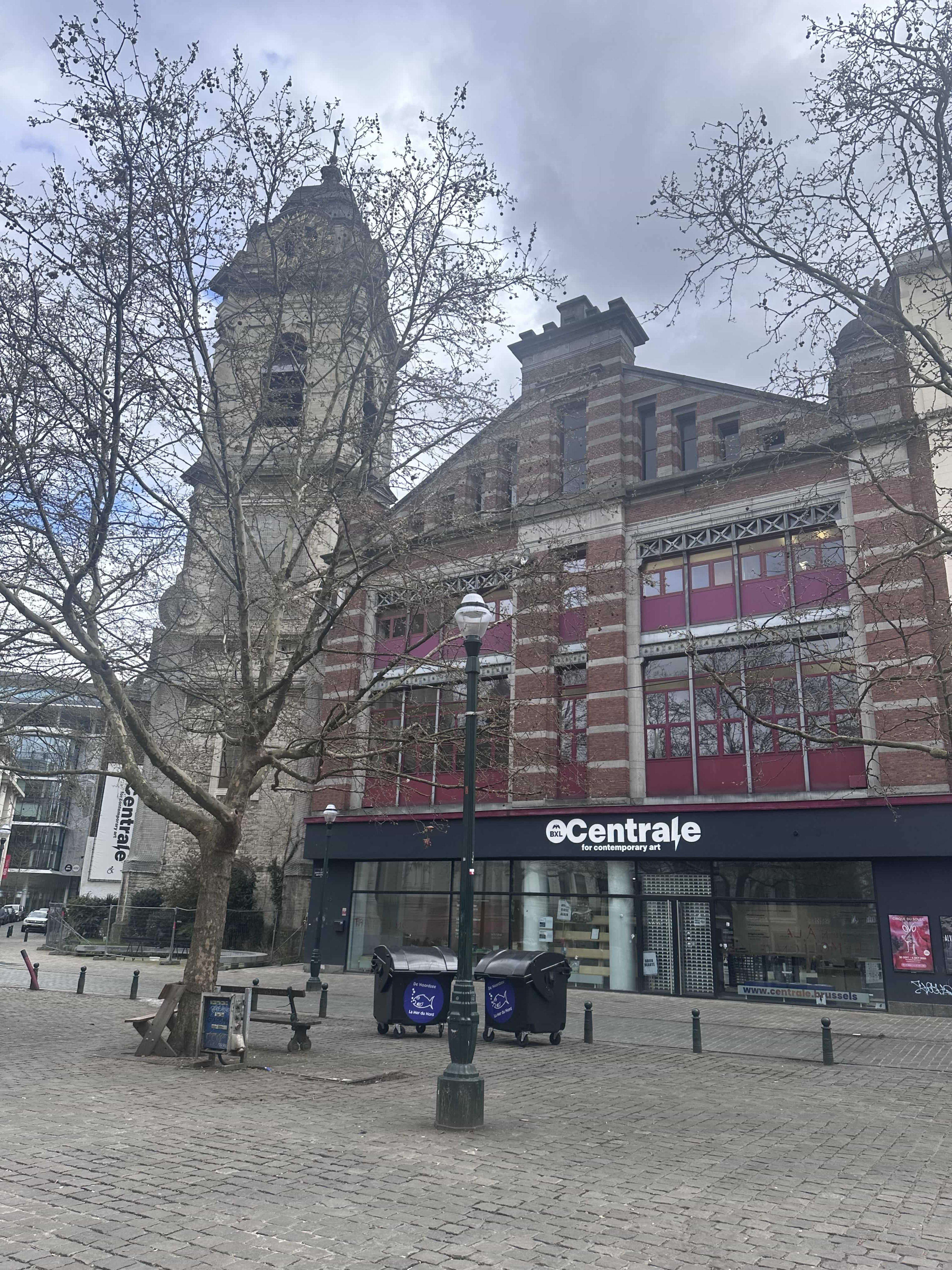
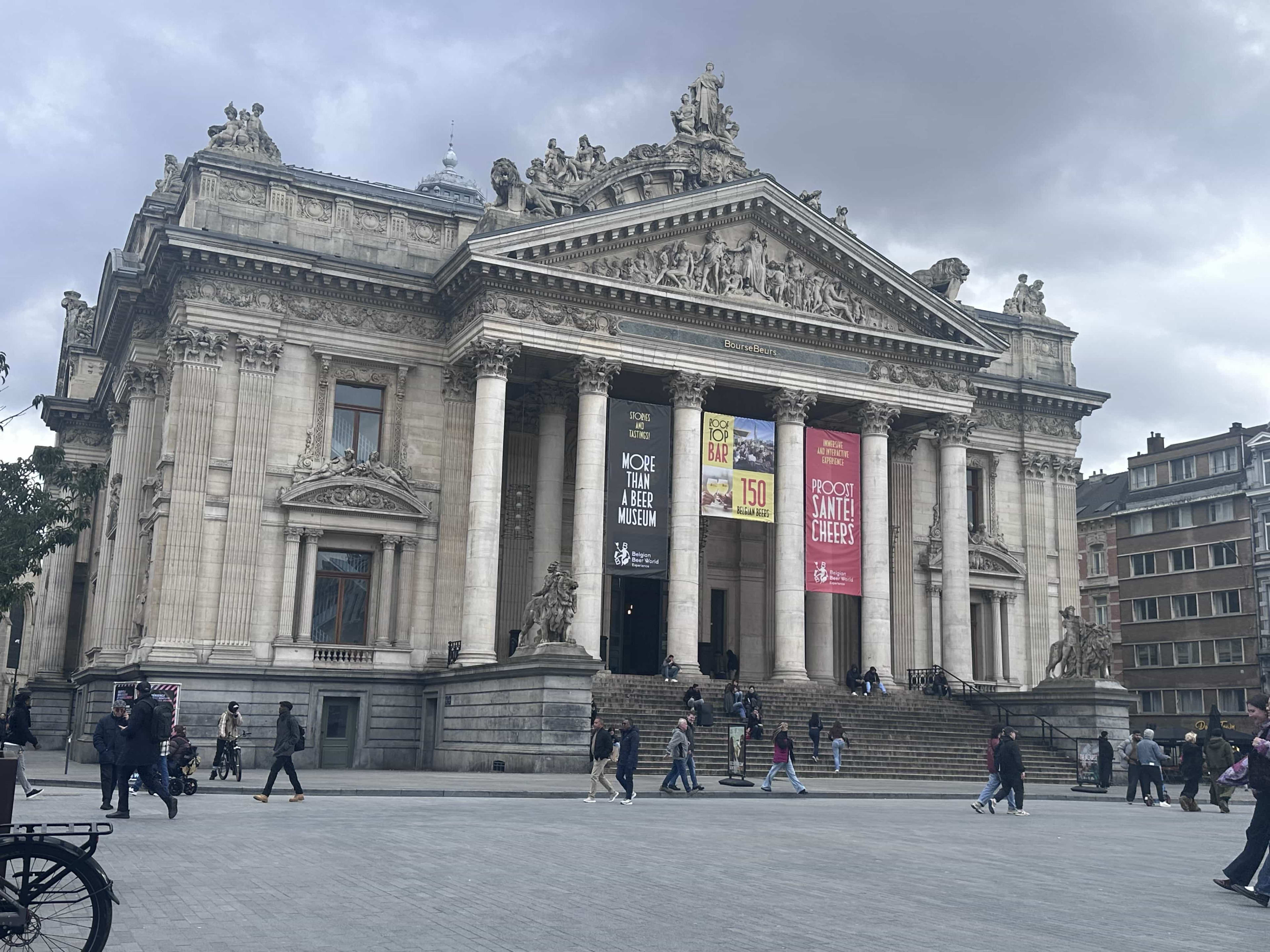
🚶♀️ Next Stop: The Sablon Quarter | Gothic Architecture & Artisanal Sweets
☕ Charming Corners & Gothic Towers: Exploring the Sablon Quarter and more🌸
🎨 Strolling Through Sablon: Brussels’ Grandest Square 🏛️
As we wander through the historic Sablon square, the grand spires of the Notre-Dame du Sablon church, art galleries, and cozy cafes 🥐🎨. It’s the ultimate neighborhood to slow your pace, sample handmade pralines, and soak in classic Brussels charm ☕ decadence.
Sablon
- Vossenplein
- Marollen
- Sablon
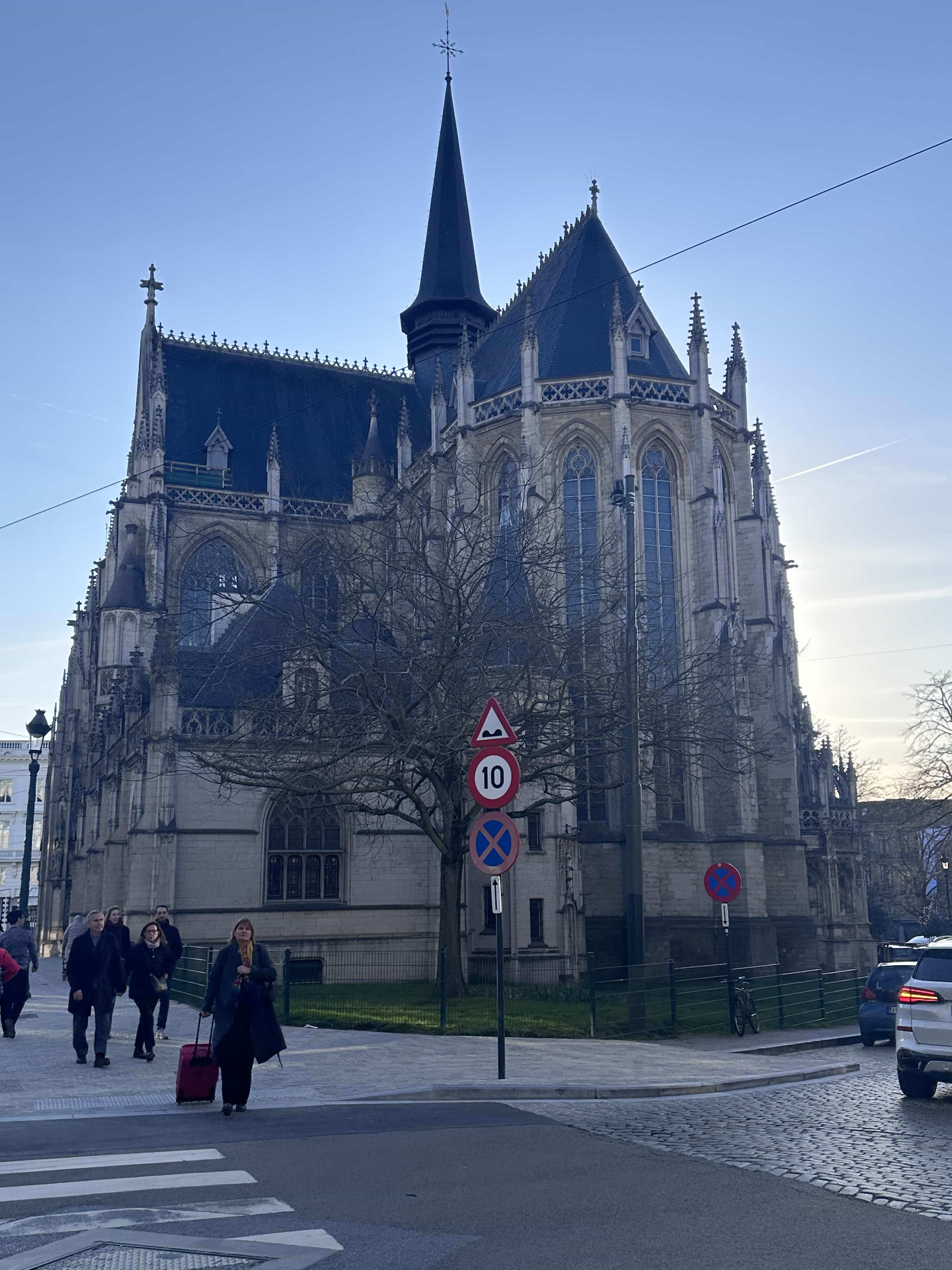
- Église Notre-Dame
- Saint Catherine Catholic Church
- Dansaert
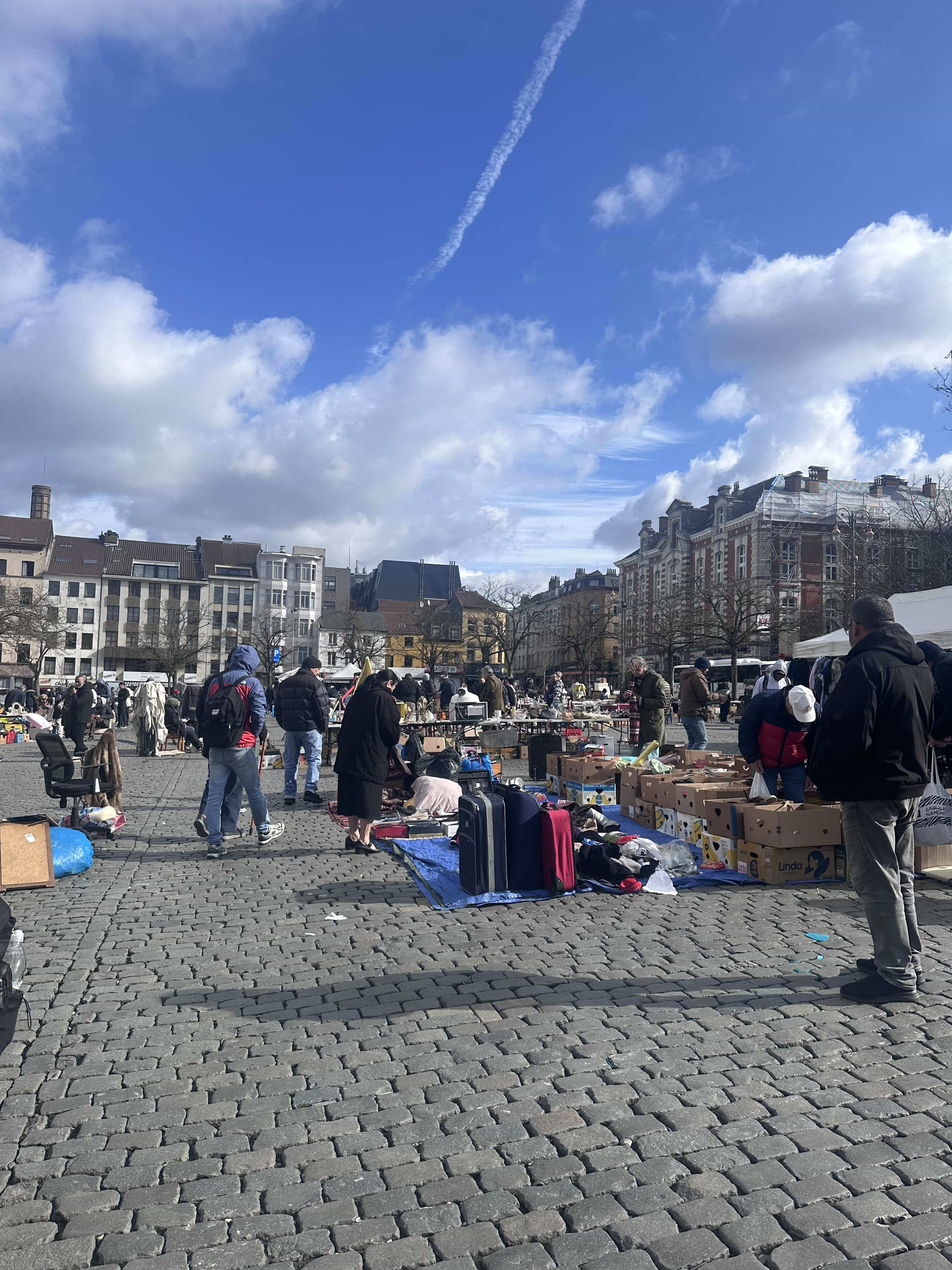
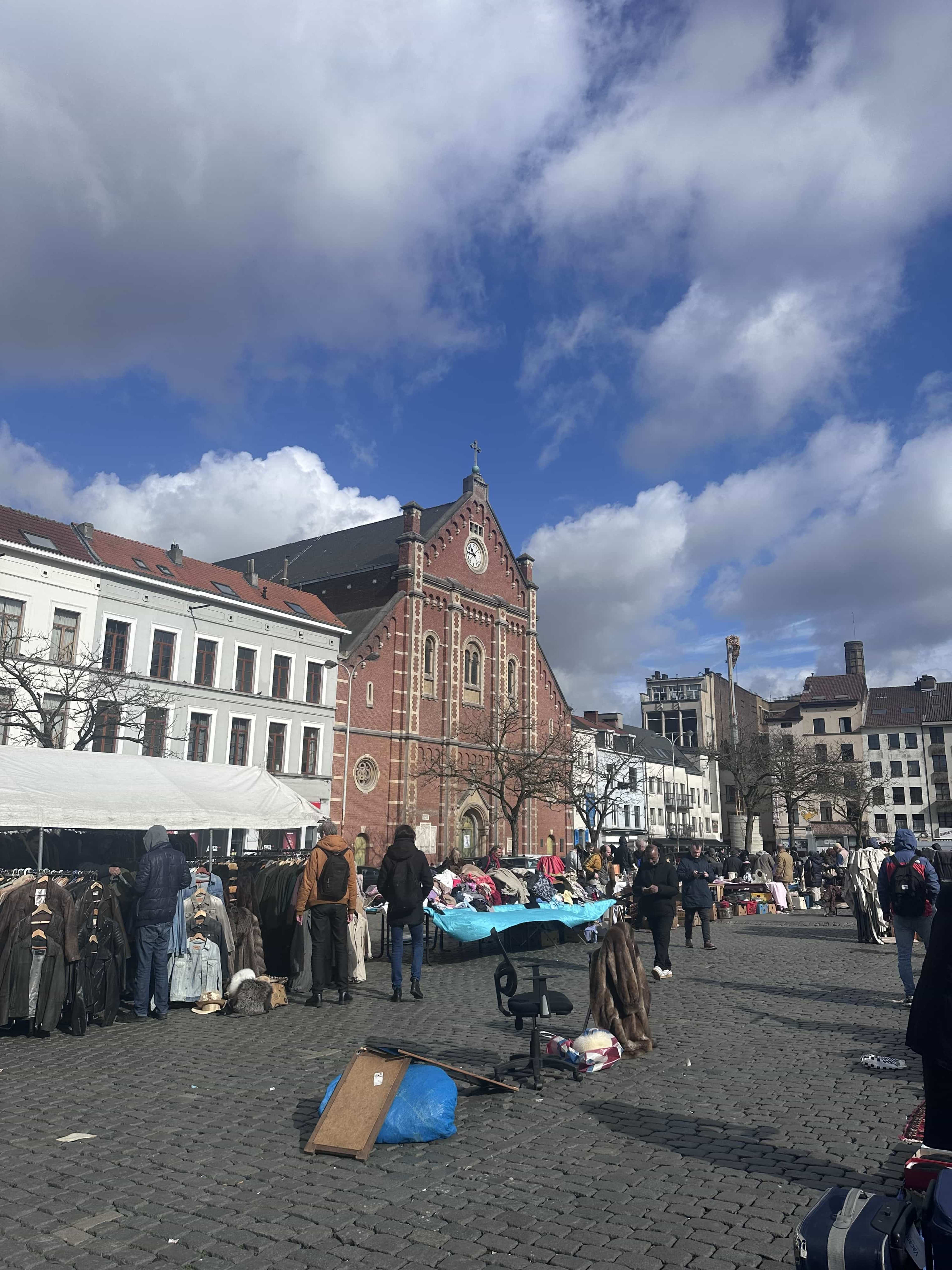
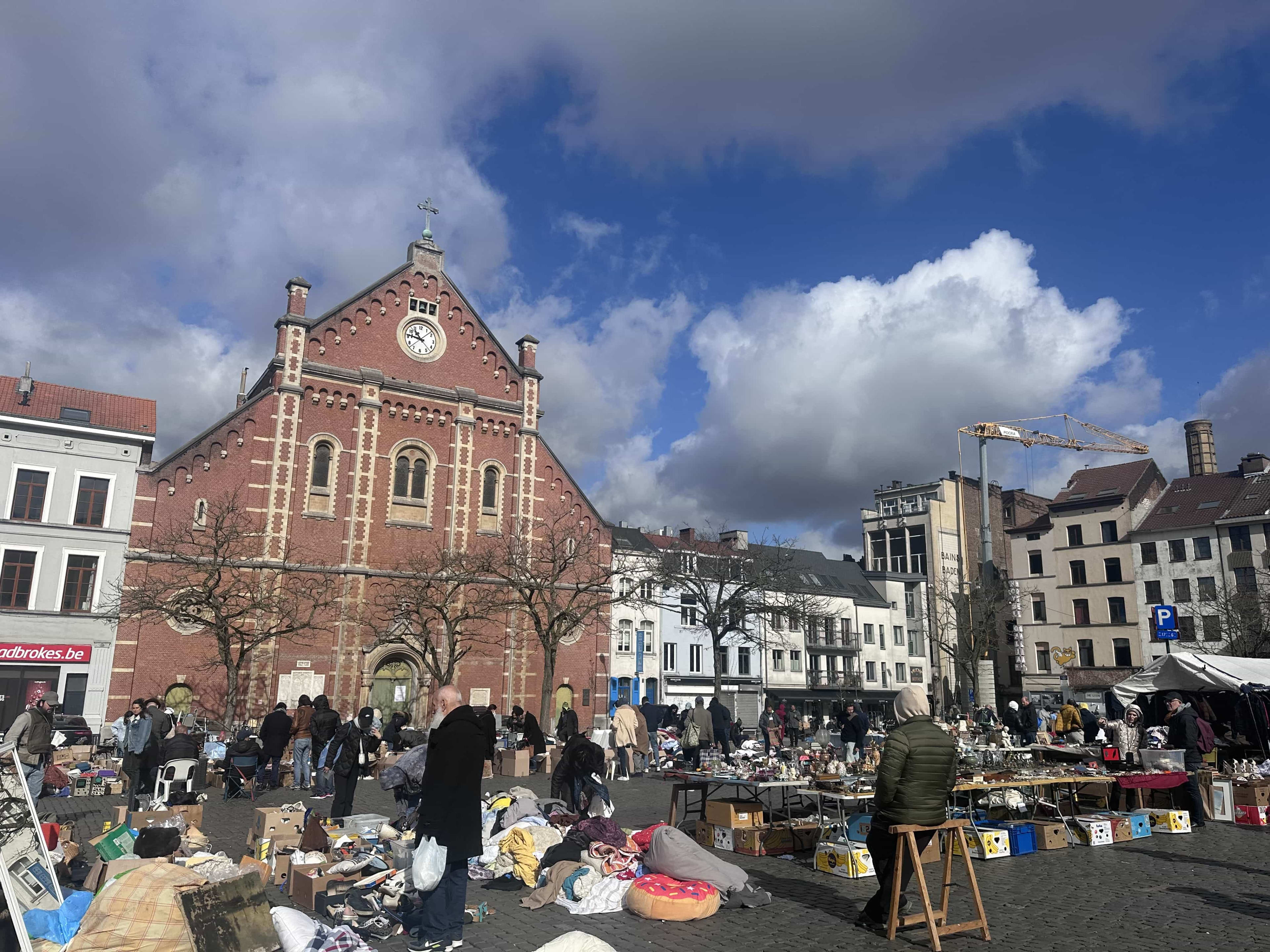
We walked right into the middle of Vossenplein (also known as Place du Jeu de Balle), where the famous open-air flea market has been running non-stop every single day of the year since 1873 🕰️🧺. We grabbed a coffee and spent some time wandering past rugs, old vinyl records, and antique knick-knacks, chatting with a vendor who laughed as he told us how locals still bargain using old Marollien slang while dealers scavenge for hidden gems before dawn 🗣️☕. After digging through cardboard boxes of vintage photos and retro trinkets, we pulled up a wooden chair at a nearby corner bistro to listen to street musicians and take in the grit and warmth of Brussels’ most authentic neighborhood 🎺🥐.
Some unique details:
Open Every Single Day: Believe it or not, this is the only flea market in the world that pops up 365 days a year—rain, snow, or shine! 🌧️☀️
Why the Weird French Name? The square’s French name (Place du Jeu de Balle) literally means "Ball Game Square." Back in the 1850s, long before it was a market, locals used to gather here to play an old-school type of Belgian tennis 🎾.
That Cool Red-Brick Building: The massive brick building facing the square isn't just for show—it was built in 1860 as the city's main fire station. Today, it’s filled with cozy neighborhood spots 🚒☕.
Insider Budget Tip: Serious collectors show up at 6:00 AM with flashlights, but if you want the real bargains, show up around 1:00 PM when vendors start packing up. They’ll practically drop their prices to nothing so that they don't have to carry heavy boxes back to their vans! 📦💶
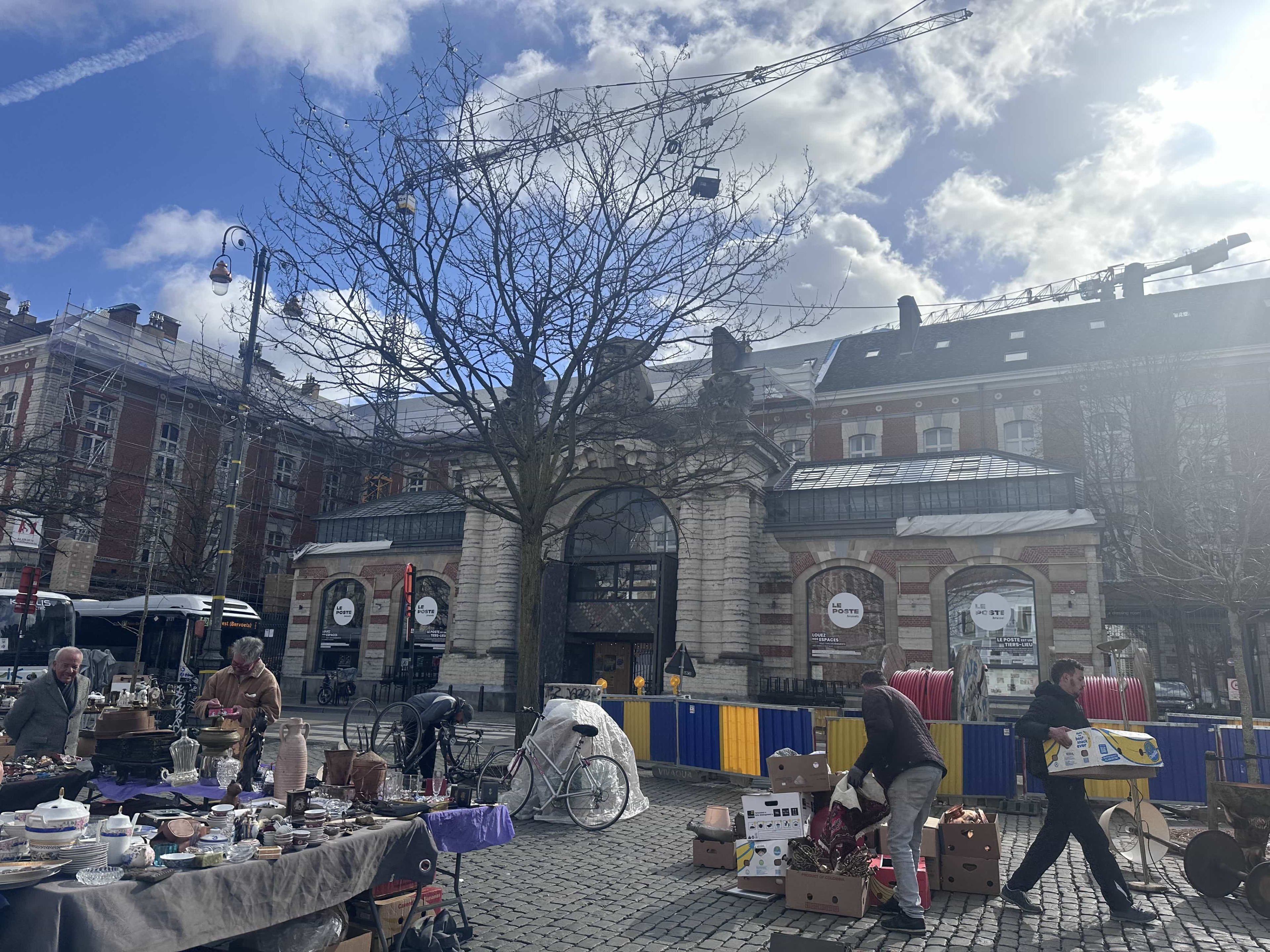
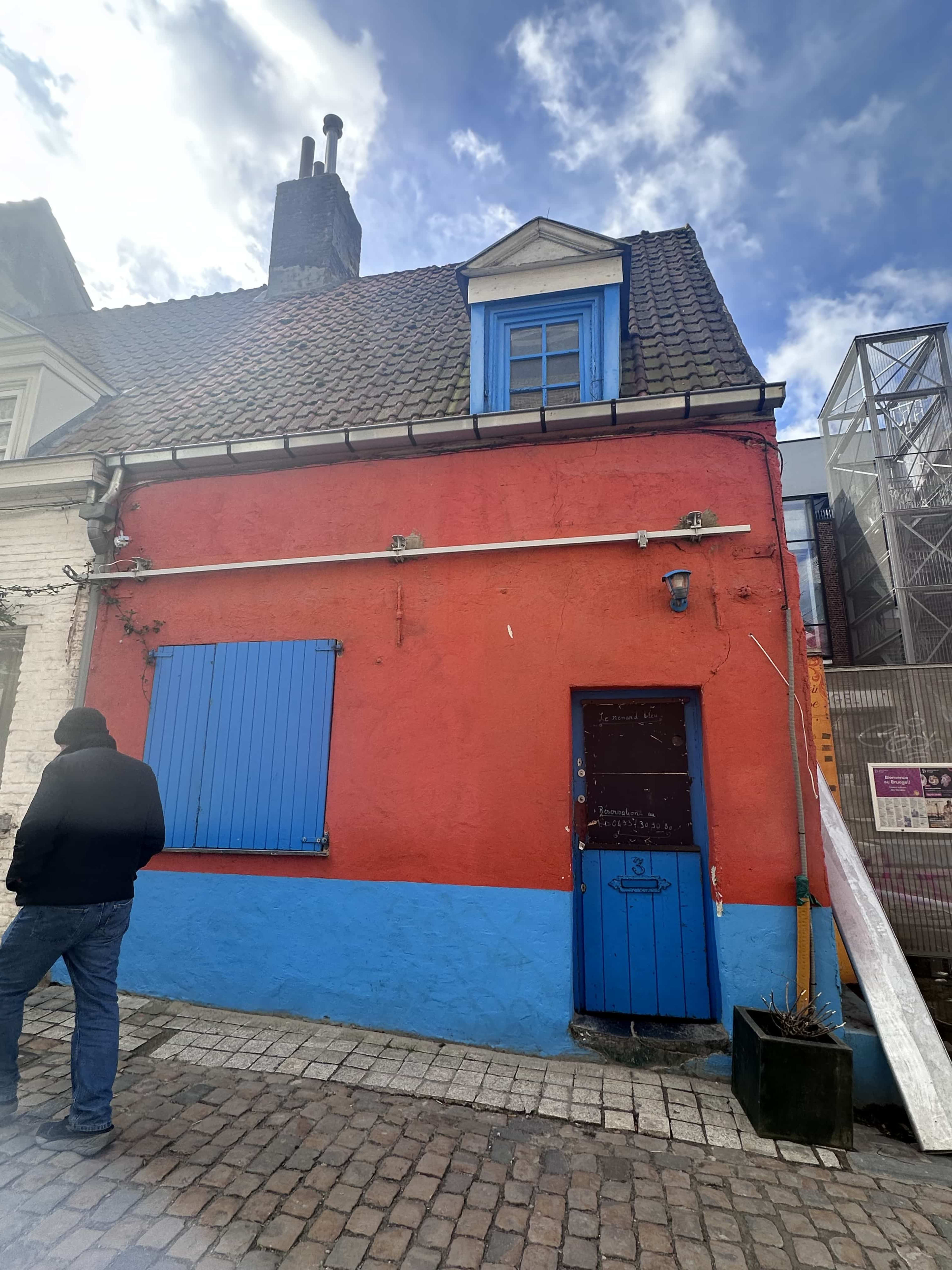
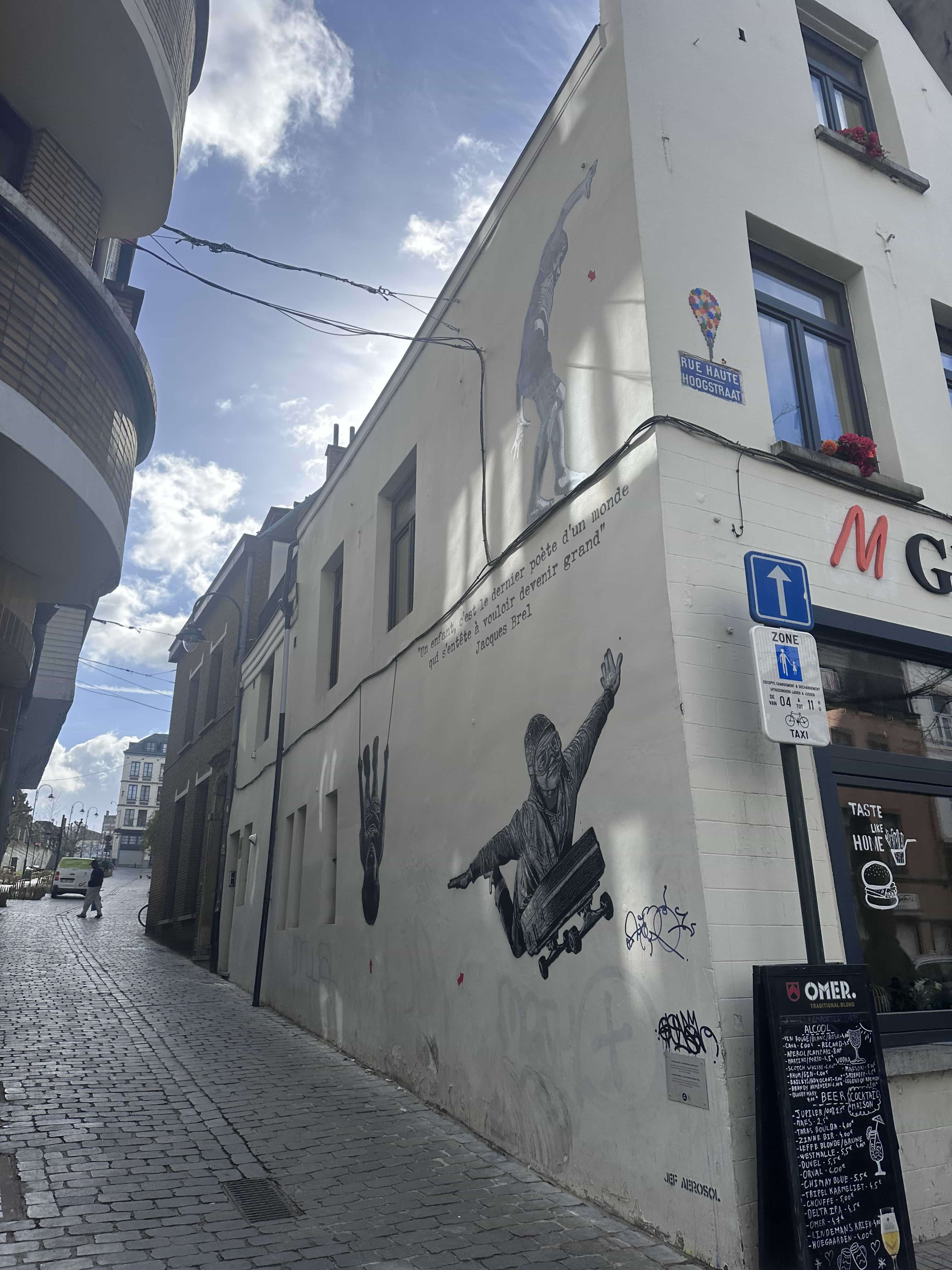
Leaving the grand plazas behind, we continued down into the Marollen, easily the most authentic and unpretentious neighborhood in the city 🚶♀️. As we strolled along Rue Haute and Rue Blaes, we found ourselves weaving through eclectic vintage furniture shops, vinyl record stores, and colorful comic-strip murals painted directly onto the brick walls 🎨📻. We grabbed a quick coffee at a corner cafe, watching old-timers chat in the traditional local dialect while younger crowds browsed antique stalls—a contrast that gives this area its unmistakable, warm energy ☕.
Did you know:
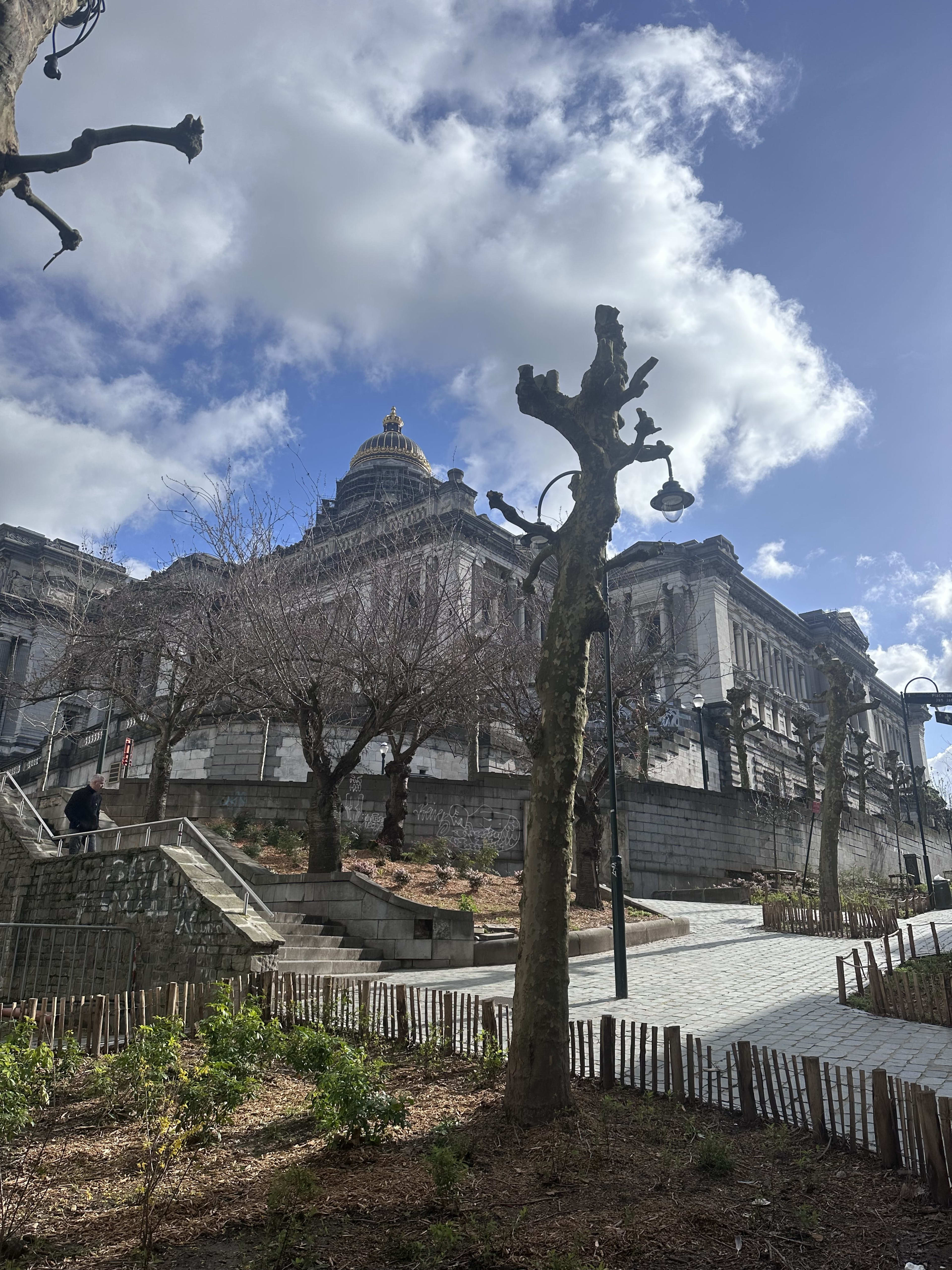
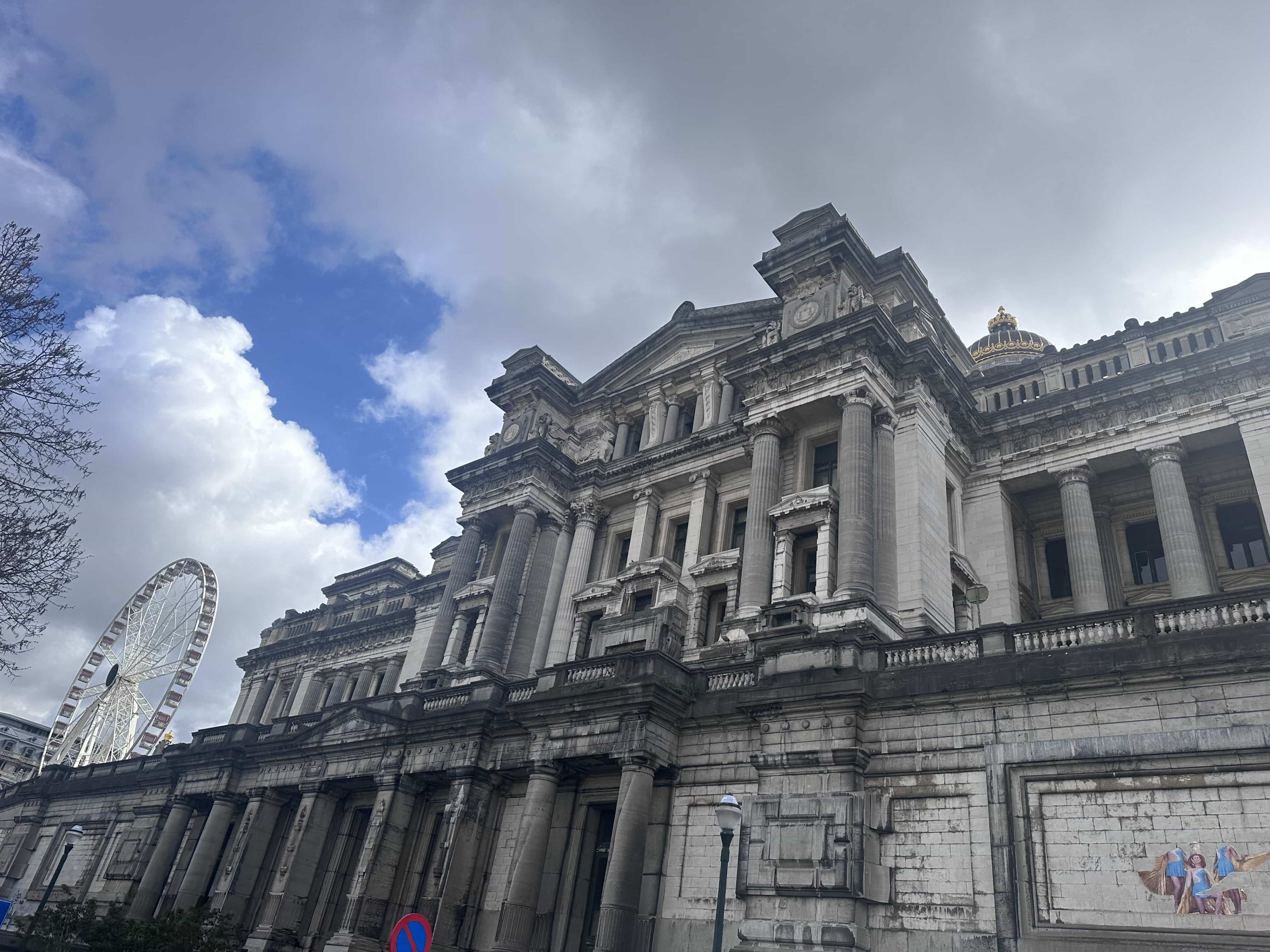
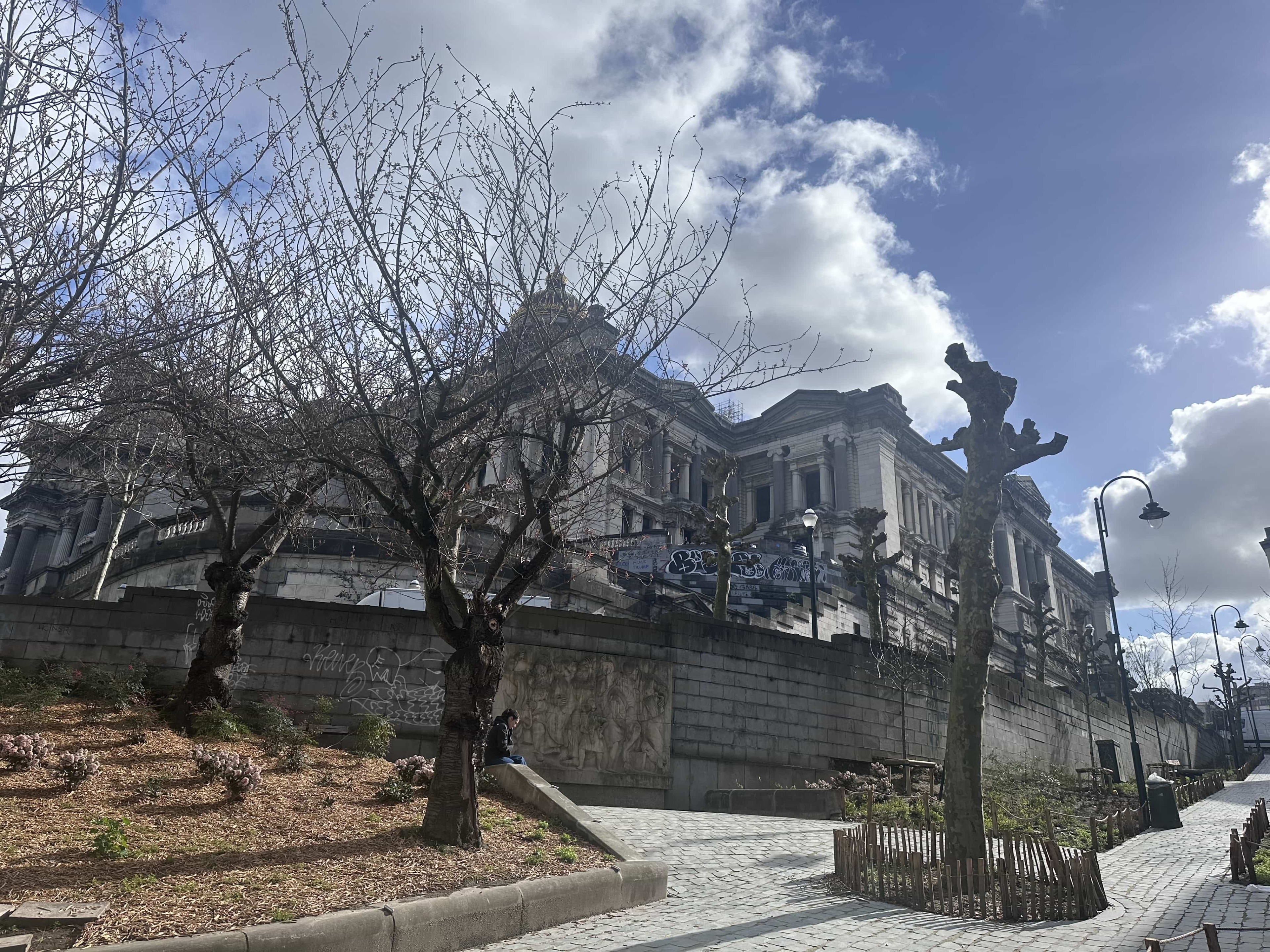
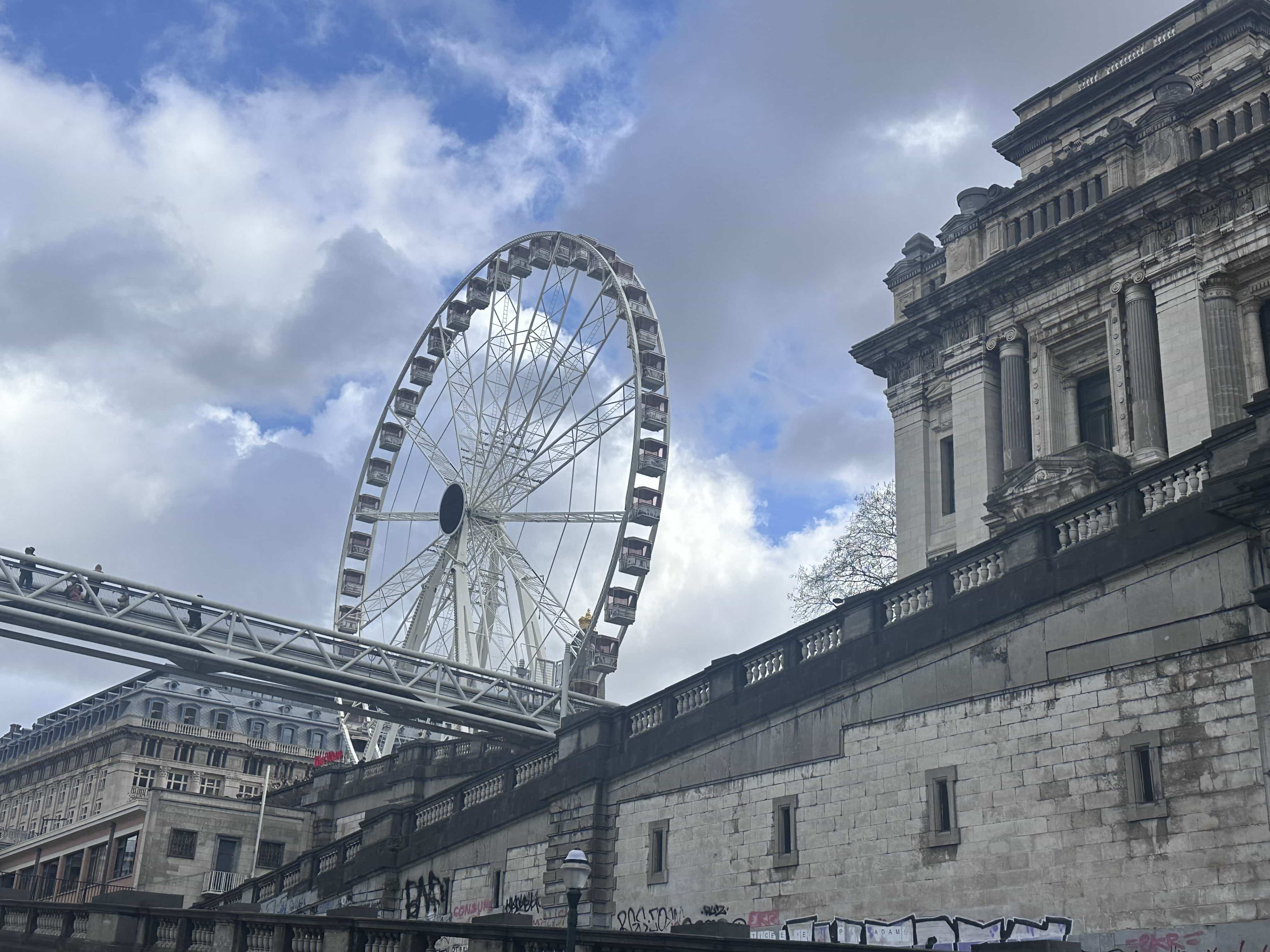
The Free Sunset Shortcut: The Marollen sits right at the bottom of a giant hill. Instead of huffing it up the stairs, take the Poelaert Glass Elevator—it’s 100% free and shoots you straight from the gritty neighborhood streets up to the best panoramic view in the whole city 🛗🌅.
The Neighborhood That Fought Back: In the 1960s, city officials tried to tear down parts of the Marollen to build big government offices. The locals staged a hilarious, peaceful protest called the "Battle of the Marolles," plastering mock eviction notices on the city buildings until the government backed down and saved their streets ✊📜.
The Secret Local Language: Old-timers in the neighborhood taverns speak Marollien, a funny blend of Dutch and French. If it sounds familiar, that's because Hergé, the creator of the Tintin comics, grew up around here and used this exact local dialect to invent the alien languages in his books 📚🗣️.
We started our walk right in the bustling Place du Grand Sablon, stepping into Mary Chocolaterie—the historic shop open since 1919 that crafts sweets for Belgian royalty 👑🍫. We ended up having the sweetest chat with the guy working behind the counter, reminiscing about how Brussels chocolate shops used to hand out generous free samples years ago compared to today 🗣️. Munching on our pralines, we strolled past the soaring stained-glass windows of Notre-Dame du Sablon ⛪ before crossing into Place du Petit Sablon 🌿, where we paused to admire the wrought-iron fence topped with 48 unique bronze statues representing old medieval trades like bakers, tailors, and stonemasons 🔨🧵.
While we were taking in the architecture, we realized the Sablon isn't just about sweets and antiques—it’s where the world's very first international postal service was born in 1516 by the Thurn und Taxis family! Just across from Mary, you can also spot the historic roots of the 14th-century Guild of Crossbowmen, who helped build Notre-Dame du Sablon to house a 'stolen' miraculous statue that sparked Brussels' oldest festival, the Ommegang. Even the wrought-iron fence around Petit Sablon is a hidden gem: it was created by Art Nouveau legend Paul Hankar, meaning every single pillar under those 48 trade statues has its own unique, hand-carved design
1 / 9
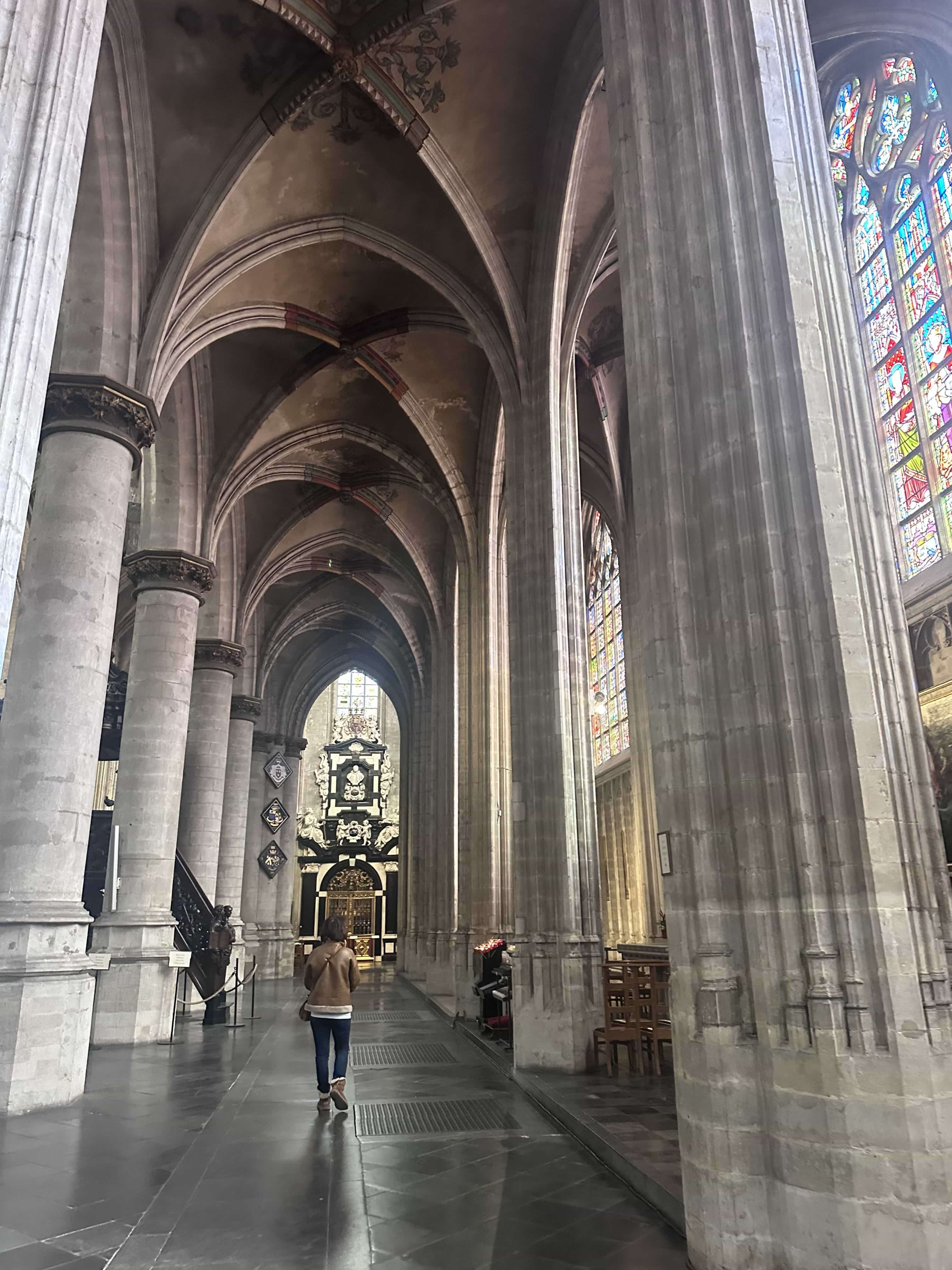
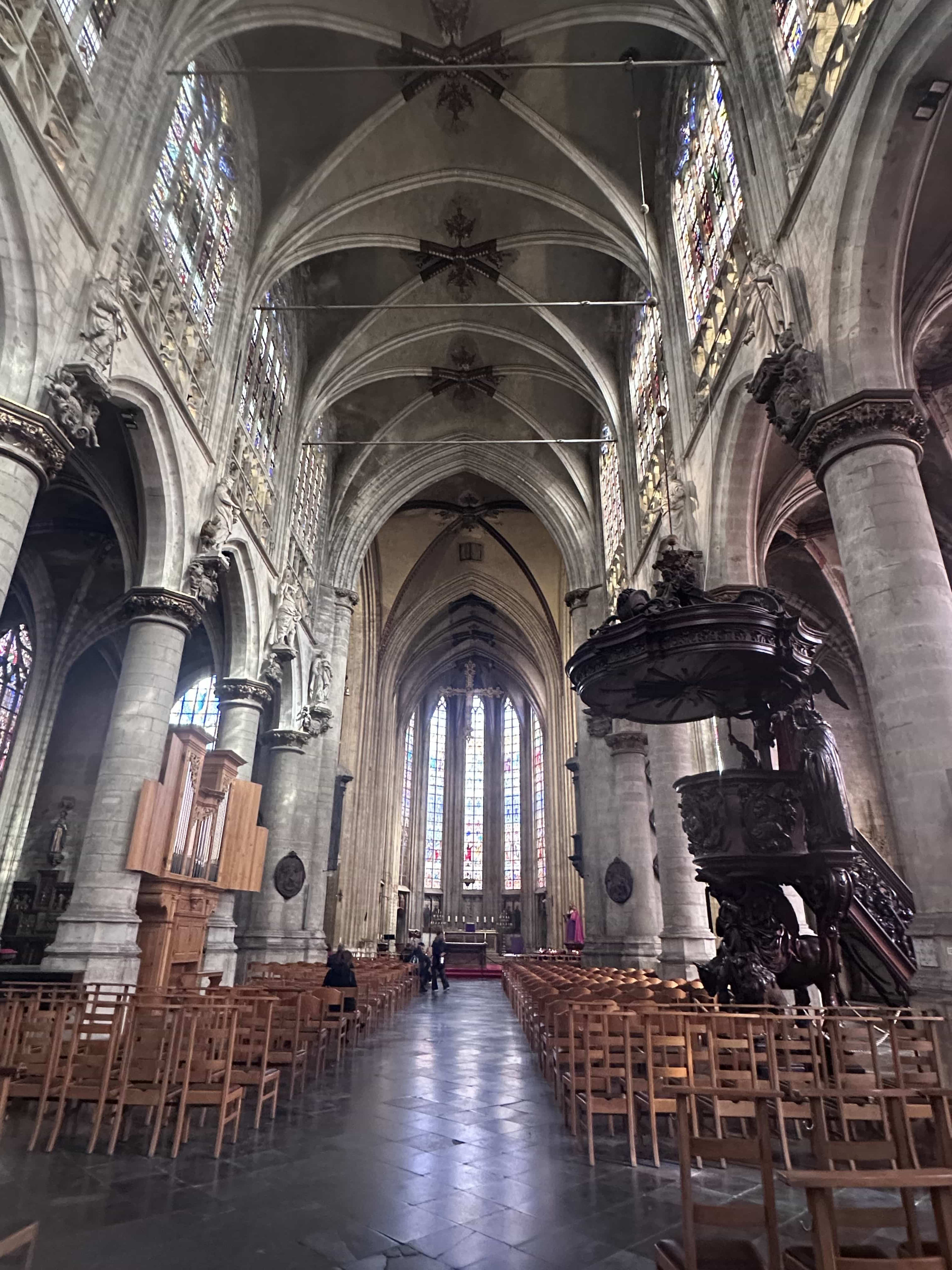
⛪ We stepped out of the bustling streets and into Notre-Dame, where centuries of history, quiet candlelit naves, and incredible stained-glass light filled the air 🕯️✨ Walking through the heavy wooden doors of Notre-Dame du Sablon, the noise of the city instantly faded into total quiet 🚶♀️. We spent a peaceful twenty minutes just wandering down the central aisle, staring up at the towering 14th-century Gothic arches and watching the afternoon sunlight pour through the massive stained-glass windows, painting the stone floors in vibrant blues and reds 🎨🕯️.
The church didn't start off as a grand cathedral for royalty—it was actually built back in 1304 as a small target-practice chapel for the local Guild of Crossbowmen 🏹.
The Heist That Started a Festival: In 1348, a woman stole a wooden statue of Mary from Antwerp, hopped on a boat to Brussels, and handed it to the crossbowmen. The story blew up so much that people flooded the church, sparking a tradition that eventually became the Ommegang, Brussels' famous annual medieval parade ⛵👑.
Just a five-minute walk down the hill at its sister church, Notre-Dame de la Chapelle, you’ll find the final resting place of Pieter Bruegel the Elder, one of Belgium's most famous Renaissance painters 🎨📜.
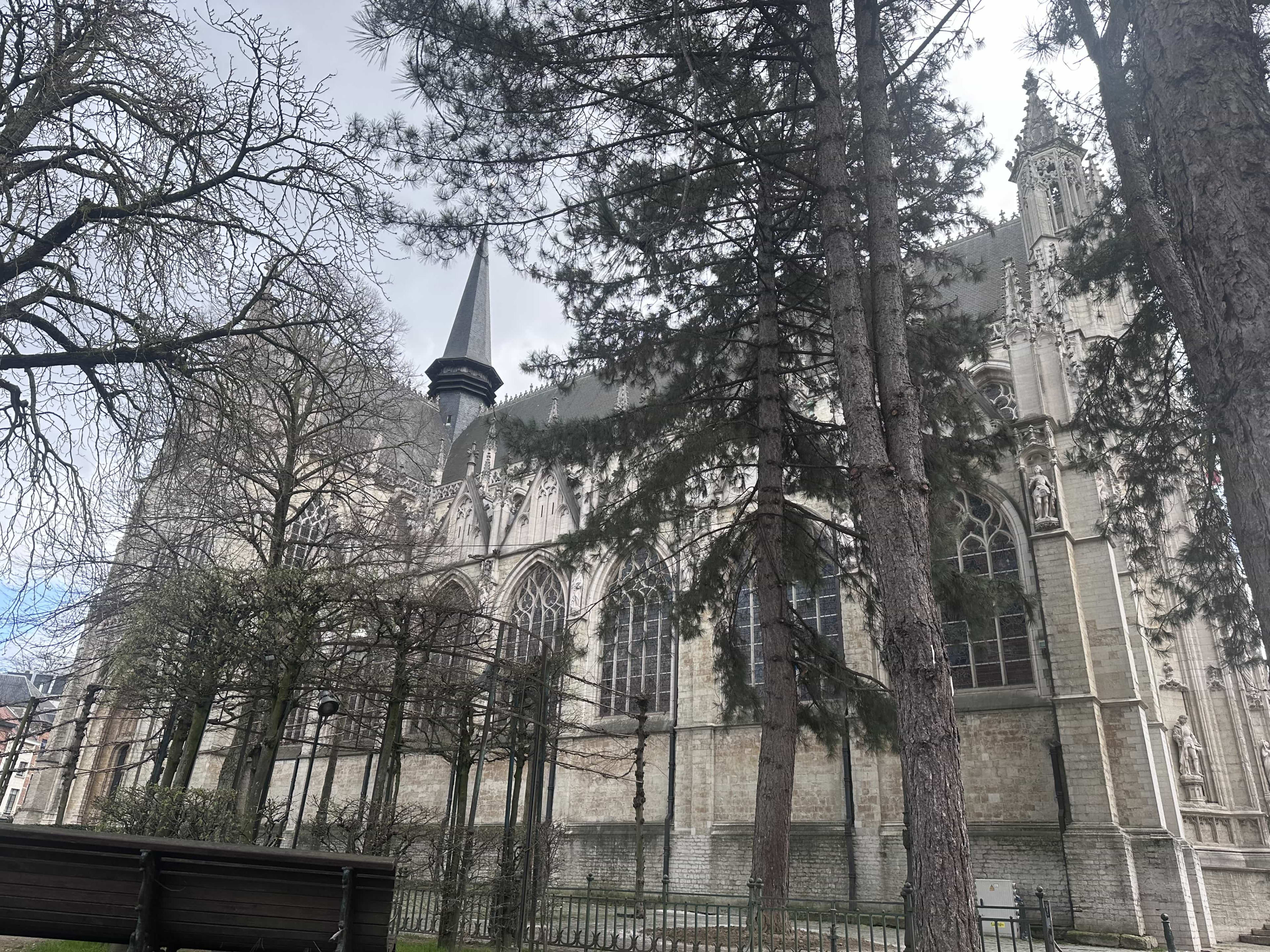
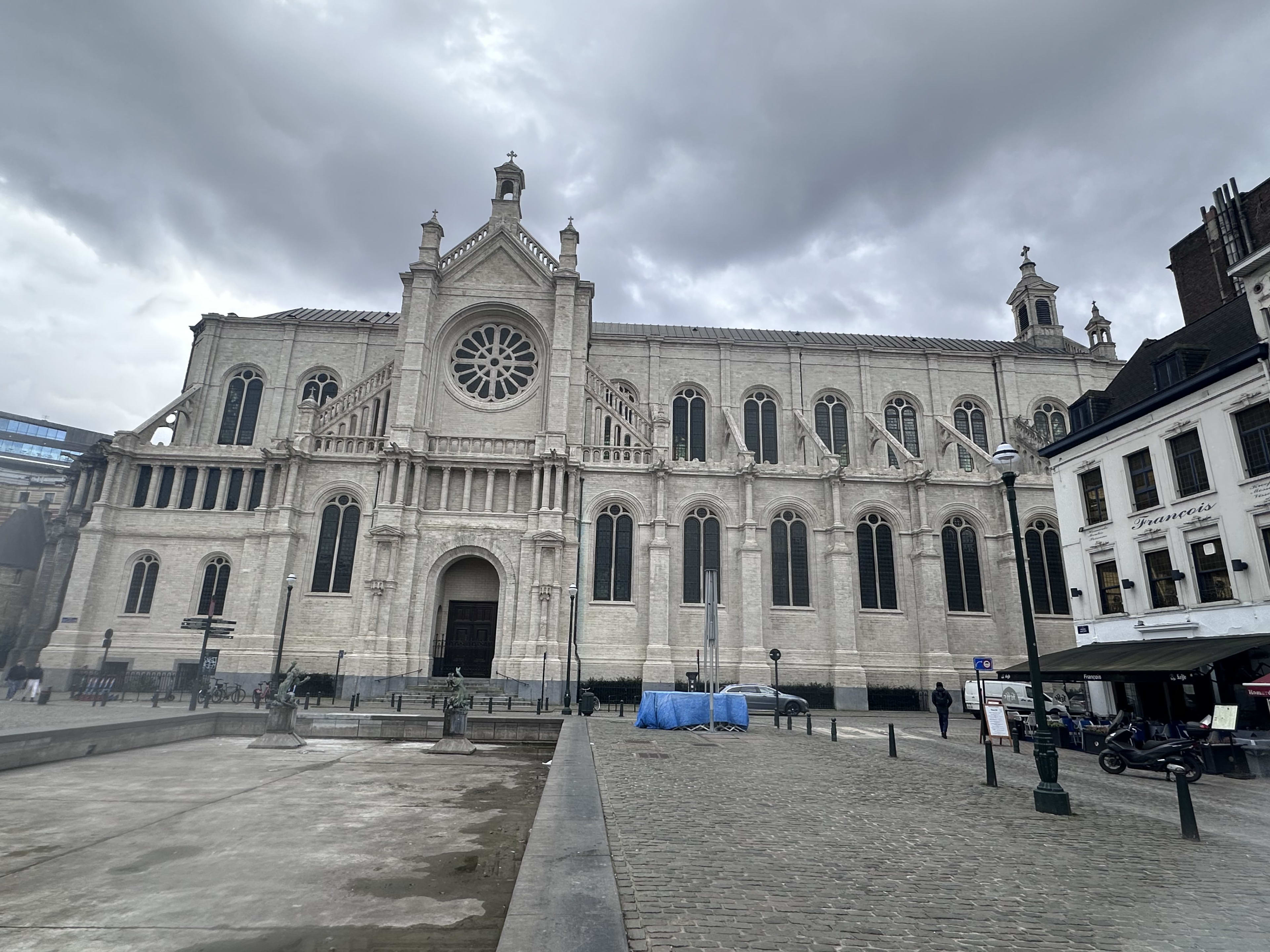
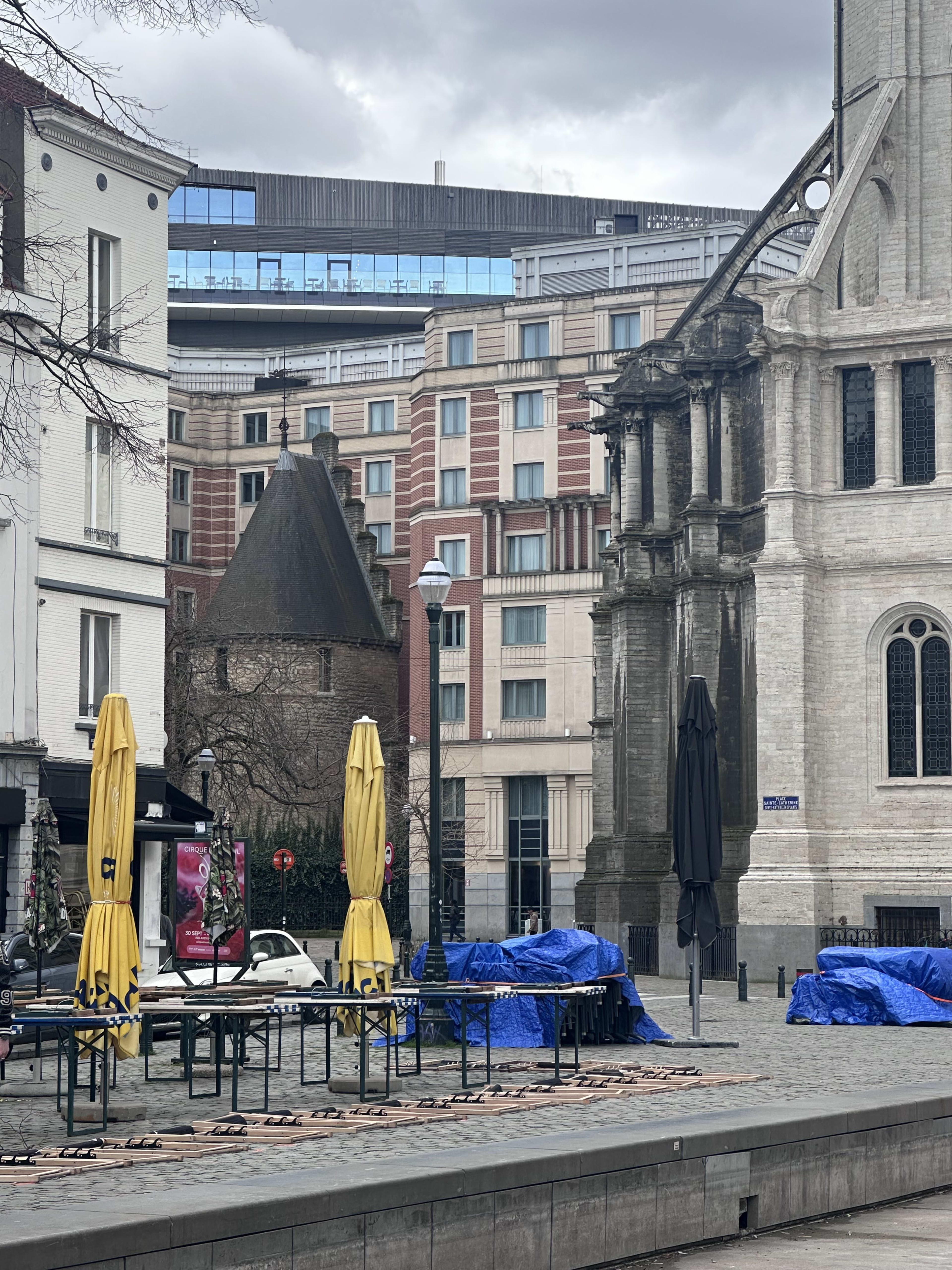
⛪ We wandered into the vibrant Sainte-Catherine district, finding a grand church that seamlessly links old-world stone with bustling market square energy 🐟✨ Stepping into the plaza facing Saint Catherine Church, you immediately feel the unique rhythm of the neighborhood 🚶♀️. Inside, the soaring stone pillars blend classic Gothic and Renaissance styles, offering a quiet, cool retreat from the lively square outside where locals gather for fresh oysters and craft beer 🍻
The big open plaza right in front of the church wasn't always pavement—it used to be the city’s bustling medieval harbor! They only filled in the water docks in the late 1800s to build the square you see today ⛵🐟.
Head inside to find the 14th-century "Black Madonna" statue 🖤👑. The story has it that during religious riots centuries ago, protesters threw the heavy wooden statue into the river, but it miraculously floated back up instead of sinking.
Back in 2011, the city almost knocked the church down or turned it into a covered fruit market 🍎. The locals fought hard to save it, keeping it open as the heart of the neighborhood.
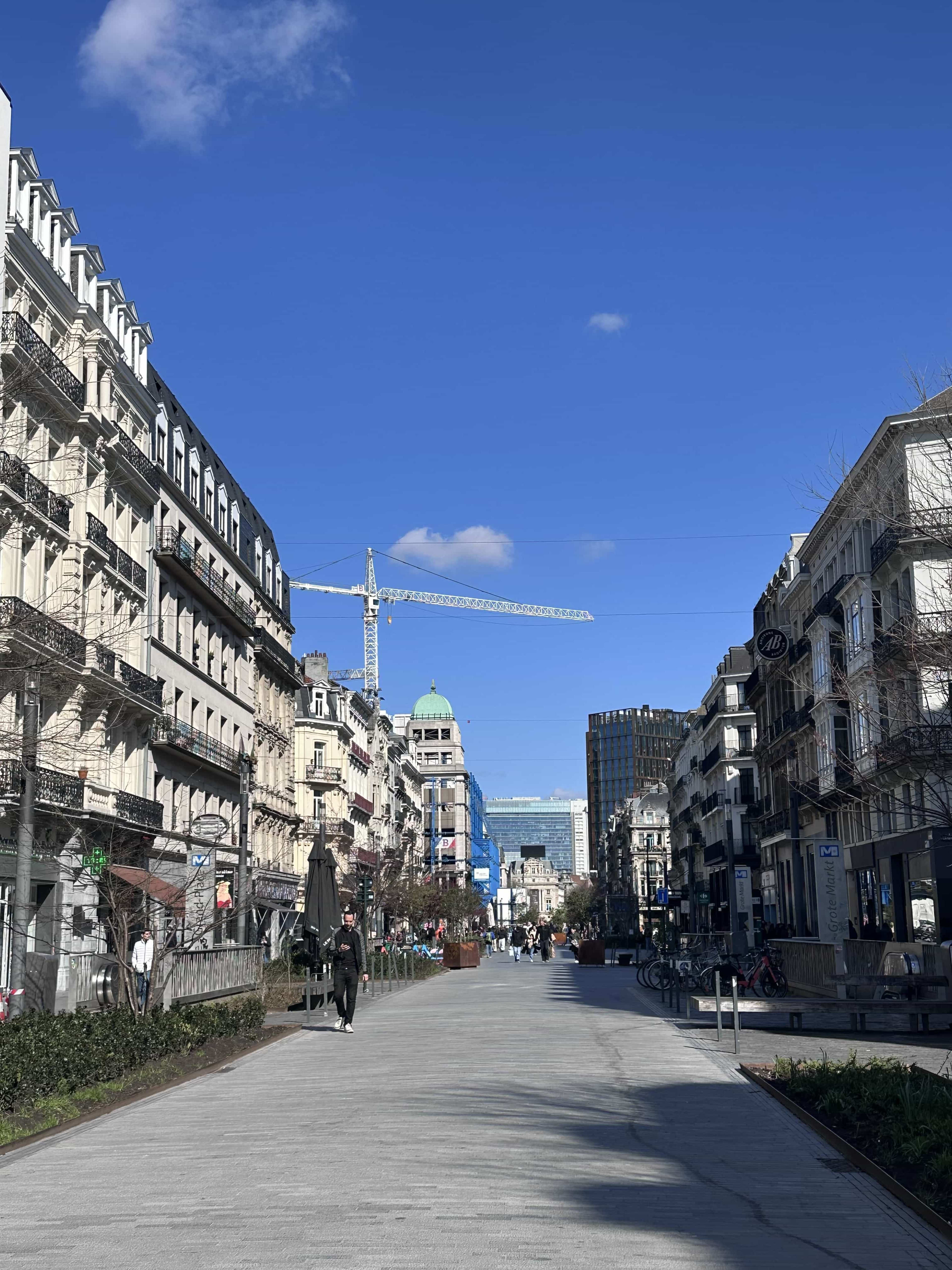
🛍️ We traded medieval cobblestones for trendy concept shops and indie energy, exploring Brussels’ coolest design district along Rue Dansaert ☕🎨. We took a stroll down Rue Dansaert, where historic brick buildings house minimalist fashion boutiques, indie bookshops, and industrial-chic cafes 🚶♀️. The whole street has a relaxed, creative vibe—we spent the afternoon popping into local designer studios and grabbing an artisanal espresso while watching locals cruise by on bicycles ☕🏙️.
Did you know:
Back in the 1980s, this street was completely run-down and ignored until a group of bold local fashion designers took a gamble, moved in, and transformed it into the style capital of Brussels 🧵✨.
You’d never guess it, but you're actually walking right on top of a hidden waterway! The city completely paved over the Senne River in the late 1800s to build the main streets, hiding it right under your feet 🌊👟.
If you take a quick peek down the side streets branching off Dansaert, you'll spot massive, multi-story street art murals hidden on the brick walls, celebrating Belgium's famous comic book roots 🎨📚.